Success stories

Members, in their own words.

Members describe how collaboration changed the way they take on work.

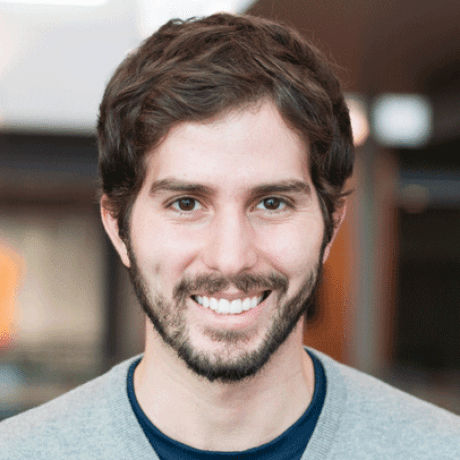
Portrait of David Mosteriyan, a software engineer.

Reported experience

“Collaboration gave me the freedom to enjoy life without putting my career on hold.”

David Mosteriyan

Software Engineer

Seven years ago, an unexpected personal situation required me to step away from work for 30 days, and I eventually lost my job. That experience showed me how difficult it can be to balance professional responsibilities with personal life.

About a year ago, I started collaborating with this firm. Last March, I was able to take a 20-day vacation in Italy. During that time, another software engineer from the team handled responsibilities we had agreed in advance.

I shared a portion of the earnings. My own involvement was limited to about 20 minutes a day, reviewing the completed work. I came home knowing the projects had continued, and that I still had income from the work that was delivered.

For me, that is the real value of professional collaboration.

Delegated delivery depends on the contract, client authorization, and appropriate supervision. This is one person’s account.
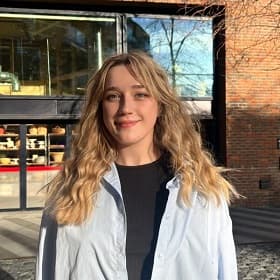

Portrait of Swift Terry.

Reported experience

“A unique way to participate in professional opportunities outside my original field.”

Swift Terry

Animal Welfare Worker

My background is in animal welfare, not engineering, software, or finance. Those industries felt unfamiliar at first.

By working with the firm’s experienced professionals, I learned how to identify opportunities and collaborate with qualified specialists. My monthly earnings from this arrangement started at about $300 and later reached $4,600.

At first I handled project bidding myself. Later I used the company’s automation tools for eligible business-development tasks. That let me spend more of the day on animal welfare work while I continued to participate in collaborative projects.

I appreciate the flexibility and the support of the team.

This account describes collaboration and business development. It is not a statement that an unqualified person performed licensed engineering, tax, or attest work. The earnings are an individual report.

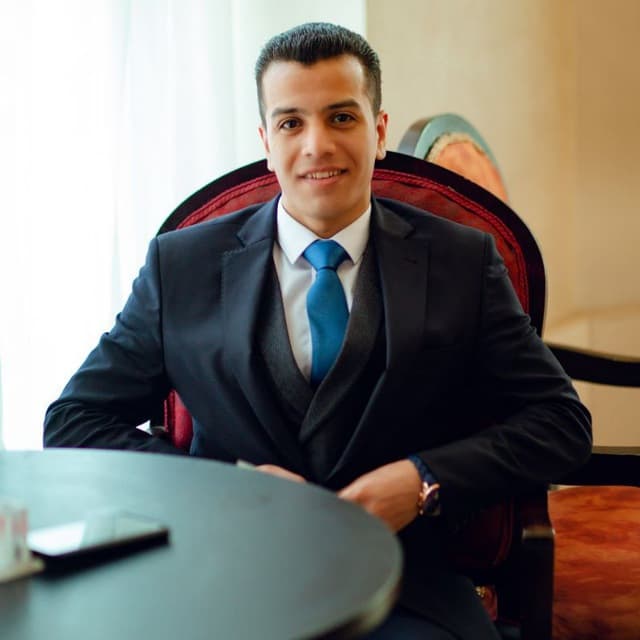
Portrait of Christian Daniel, a senior civil engineer.

Reported experience

“I no longer have to solve every technical problem by myself.”

Christian Daniel

Senior Civil Engineer

Earlier in my career, I believed I needed to handle every challenge independently. When a new project introduced technical requirements outside my strongest area, I reached out to this firm.

Working with experienced specialists helped me resolve those challenges and improve how I manage projects. Over time I developed an arrangement in which I share an agreed portion of project earnings in exchange for qualified technical support.

I currently manage three professional roles and still make time for my family, including taking my children to baseball games. My reported monthly income increased from about $7,000 to $34,000 as my professional activities expanded.

The biggest benefit has been the ability to manage those responsibilities more sustainably.

Income figures are as reported by Christian. They are not a typical result and are not guaranteed. Engineering approval remains with the qualified professional.

Portrait of Elena Vasquez, a product designer.

Reported experience

“I stopped turning down hardware work I could not finish alone.”

Elena Vasquez

Product Designer

Most of my work is the object people hold: the enclosure, the controls, the way a product explains itself. I kept declining projects that also needed a board and firmware, because I was not going to pretend I had designed them.

Through the network I was introduced to an electronics engineer who was comfortable owning the schematic. We wrote down who would model the housing, who would bring up the board, and how the fee would be divided before either of us started.

The client knew both names. I stayed responsible for the design they had hired me for. I did not have to become an electrical engineer to keep the relationship.

Portrait of Marcus Hale, a full-stack engineer.

Reported experience

“A senior review changed how I write proposals.”

Marcus Hale

Full-Stack Engineer

I could build the software. What I could not do was explain it in a way a client trusted. My proposals listed every tool I had touched, and they still sounded uncertain.

Someone on the software team sat with two of my past projects and cut the list down to what I had actually shipped. We removed a claim about leading a team I had only joined. The shorter proposal was easier to defend in a call.

I still write my own bids. The difference is that I now know which sentence is experience and which sentence is a wish.

Portrait of Priya Shah, a financial analyst.

Reported experience

“The numbers finally had an owner, and so did the spreadsheet.”

Priya Shah

Financial Analyst

Leadership wanted a forecast, and the only version we had was a workbook nobody could explain. I could see the drivers. I could not prove the historicals still matched the books.

An accountant on the finance side traced the actuals. I kept the assumptions visible on the page. A developer automated the export so I was not copying cells at midnight. We wrote, in the engagement note, that this was a management model and not an audit.

The meeting got quieter. People argued about the assumptions instead of about which file was current.

Portrait of James Okonkwo, a mechanical engineer.

Reported experience

“The drone stopped being a drawing I was afraid to fly.”

James Okonkwo

Mechanical Engineer

I had a mechanical design I believed in and a growing list of things I was not qualified to sign. Flight software. The wiring. Whether we could even take it outside.

The hardware network put an electronics engineer on the integration and made the outdoor test a separate question for a certificated remote pilot. My job stayed the airframe and the loads I could defend.

We did not pretend one person had mastered the aircraft. The prototype moved because the gaps were named.

Portrait of Hannah Brooks, who leads business development.

Reported experience

“I could open doors without borrowing an engineer’s résumé.”

Hannah Brooks

Business Development Lead

I do not write software, and I do not stamp drawings. What I can do is find a serious conversation and keep the follow-up from dying in an inbox.

The firm was clear about that boundary. I prepare the introduction and the shape of the proposal. The engineer or accountant who will perform the work is the person named in it. If I do not know a qualification, it does not go in the draft.

That has been a better job than stretching my own profile into fields I do not practice.

Portrait of Robert Lang, a structural engineer.

Reported experience

“I kept the seal, and I stopped carrying the drafting alone.”

Robert Lang

Structural Engineer

Residential additions were filling nights and weekends. The calculations were mine. So was every sheet, every dimension, and every phone call about a window header.

I brought in a drafter from the civil network to produce the sheets, on my grid, for my review. The client was told I remain the engineer who decides what gets sealed. Nothing leaves the office with a stamp I have not earned.

I still work hard. I also make it to dinner more often, and the drawings are no thinner for that.

Sealing and responsible charge stay with the licensed engineer. Drafting support is not a license.